
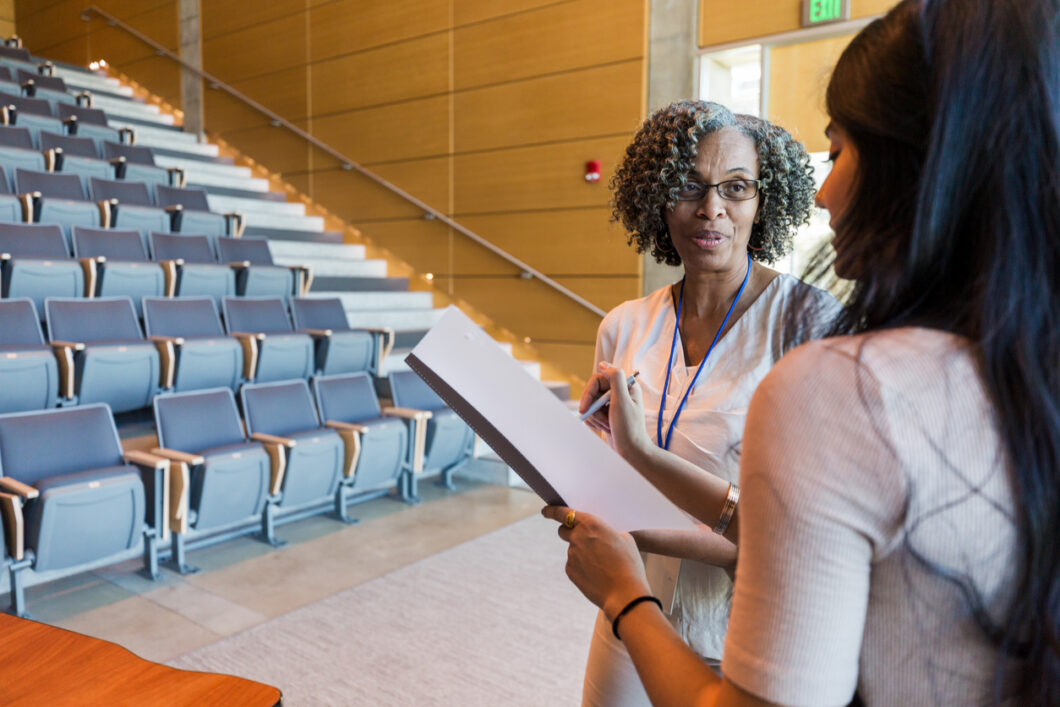
In this month’s NSSLHA Roundup, we asked CSD students to reflect on the mentoring relationships that have shaped their academic and professional journeys. From research labs to executive boards, mentorship can take many forms—but at its core, it’s about guidance, encouragement, and connection.
Whether you’re seeking a mentor, strengthening an existing relationship, or looking for ways to support others in your chapter, their experiences offer insight into how meaningful mentorship can impact your path.
This month, we will be hearing from four National NSSLHA members:
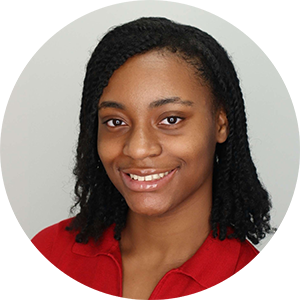
Jada Wong
Western Carolina University
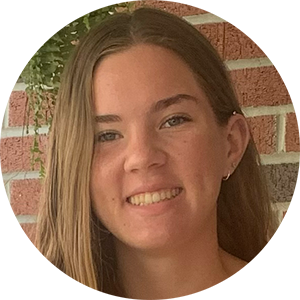
Morgan Rumpp
Stockton University
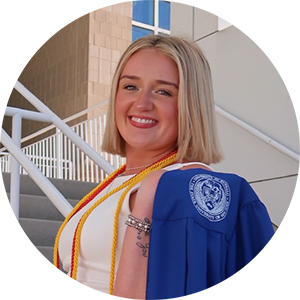
Caitlin Keenan
University at Buffalo

Gage Putnam
Maryville University of St. Louis
Talk about a mentoring relationship that you have built, whether through peers or professors.
Jada Wong
Western Carolina University
I accidently met my mentor in the bathroom. She was a newly-hired staff member who immediately took me under her wing. Even though I was an audiology-focused undergrad, she happily supported my endeavors and introduced me to research conferences on campus and leadership opportunities for National NSSLHA. I never felt like a fulfilled college student until I met my mentor. She pushed me out of my comfort zone and helped me develop my academic skills. My mentor made me realize how important it is to have support outside of class; the faculty are here to guide you, so don’t be afraid to approach your professors or department staff! All it takes is one conversation.
Morgan Rumpp
Stockton University
One important mentoring relationship I have built is with one of my main professors. I do research with this professor, and it has been really eye-opening to see everything that research encompasses. I have been able to build a relationship with this professor and feel confident to go to her with questions and when I am searching for advice. This professor has helped with the process of applying to graduate school and given me opportunities I would otherwise not be able to have done.
Caitlin Keenan
University at Buffalo
One mentoring relationship I have built is with a professor in my department. I joined her research lab during my junior year of undergraduate study and continue to engage in research with her in graduate school. Through this experience, I have learned the importance of research in supporting evidence-based practice. I have had the opportunity to participate in multiple research studies, including my current project on Parkinson’s disease. This study has helped me better understand the impact Parkinson’s disease can have on individuals and has strengthened my clinical skills while working with SPEAK OUT clients. Additionally, this mentorship has allowed me to build meaningful relationships with other faculty members in my department, which has supported my growth as a student clinician.
Gage Putnam
Maryville University of St. Louis
Throughout my academic journey, I have purposely built mentorship connections because they provide guidance, perspective, and encouragement. Mentorship for me has been workly closely with a faculty advisor who has helped me navigate coursework, career planning, research interests, and broader professional questions. This mentorship has expanded beyond the classroom, professionally engaging in discussions about articles, research, and professional challenges facing the field. My advisor has been instrumental in my growth as an undergraduate student. At the same time, representation can be limited, particularly for male students. Programs such as ASHA’s Men in CSD MENtorship initiative help connect male mentors, mentees, and early-career professionals more effectively.
How do you connect with your mentor?
Jada Wong
Western Carolina University
Academically, I meet with my mentor every other day of the week, depending on our schedules. If I am making a proposal for a conference, we meet every Friday. I always bring up new interests or studies I found and share it with her, sometimes she is able to expand my knowledge, other times she helps me start new research in it. In short, it is never a boring time with her. Personally, I have been able to help my mentor with some of her own research. I am always surprised when she, a decorated and long-time CSD researcher, asks for my input. She never makes me feel small or insignificant. She sees my value as a growing student and I appreciate that notion daily.
Morgan Rumpp
Stockton University
I connect with my mentor through having regular meetings with her every week. I also make sure to ask questions and delve deeper into any speech related subject we discuss. It is also important to build rapport and ask how your mentor is doing as well. This helps to build a stronger relationship outside of research or classes you may be taking with that professor.
Caitlin Keenan
University at Buffalo
I connect with my mentor by actively listening and applying the feedback she provides. My mentor is someone I respect and strive to learn from. I also make an effort to apply her advice, whether it relates to research or academics, or professional development.
Gage Putnam
Maryville University of St. Louis
Connections with my mentor have a variety of modes including scheduled one-on-one meetings, quick office drop-ins, email exchanges, and even the occasional midnight question. For detailed, career-focused planning and academic support, my mentor and I meet in-person or virtually. In less urgent situations, having the ability to quickly email a question or concern is extremely helpful for clarifying questions or addressing concerns. Virtual meetings have also expanded access to mentorship by connecting students with experienced professional mentors who share their experiences, interests, or can answer specific questions when needed. Programs like the MENtorship program make it possible to build meaningful relationships beyond geographic boundaries, helping students form professional connections across states, institutions, and organizations while gaining valuable perspectives.
What do you look for in a mentor-mentee relationship?
Jada Wong
Western Carolina University
As a mentee, I look for someone I have a familiar background with. It certainly helps build a bond upon meeting; however, I have mentors who are amusingly different from I am. One mentor I have is from Kentucky and I am from New York, and she is one of my best supporters. I also look for honesty in a academic relationship. I would like to know if I am doing something completely wrong or if I need to work on a skill. It is vital to be criticized, this is how we grow as students and professionals.
Morgan Rumpp
Stockton University
One thing I look for in a mentor-mentee relationship is the ability to be open with each other. This might look like making sure to be honest when giving advice. I also look for someone who is willing to give advice and help navigate this field as an undergraduate student.
Caitlin Keenan
University at Buffalo
In a mentor–mentee relationship, I look for communication, mutual respect, and opportunities to learn from mistakes. I look for a mentor who is supportive and provides feedback. Having the freedom to learn, make mistakes, and improve over time is essential to my growth as a future SLP.
Gage Putnam
Maryville University of St. Louis
For mentor-mentee relationships I tend to be intentional when choosing a mentor because this relationship is a pillar in shaping both my academic and professional development. I look for mentors who value clear communication, share similar professional goals and backgrounds, and foster open, respectful dialogue. Finding mentors who reflect these qualities can be challenging, which has led me to expand my search beyond my immediate institution. I have worked with a team to create the MENtorship program and I completed an application to pair with a mentor in this program as well. I hope that exploring national mentorship opportunities will allow me to connect with professionals whose experiences and perspectives align with my goals, ultimately strengthening my academic direction and professional growth.
As you see new students coming into your programs, how have you attempted to build mentoring relationships?
Jada Wong
Western Carolina University
I am on the executive board of my university’s NSSLHA chapter as a community and career builder. In my first year, I knew nothing of the resources I had at my disposal as a CSD student. I didn’t find out that there was a hearing center nearby campus until my junior year. I want underclassmen to immediately know about their resources. I am currently helping members of our chapter get in touch with our career department and find places to volunteer at to gain observation hours. I pay special attention to audiology-interested students, because I know what it is like to be in a speech-centered space. I am happy to be apart of my university and help all students improve their skills for the future.
Morgan Rumpp
Stockton University
I am currently the secretary of my university’s NSSLHA chapter. This has given me the opportunity to make sure all new students know that I am here if they have any type of question or need advice on anything. I try to be completely honest and open about my life so other students know that it is okay to be open and honest with each other. I think it is important to show transparency when attempting to build any mentoring relationships.
Caitlin Keenan
University at Buffalo
As new students enter the program, I make a great effort to be welcoming and approachable to help new students feel more comfortable. I try to act as an example by sharing my own experiences and answering questions when needed.
Gage Putnam
Maryville University of St. Louis
As new students enter our program , I have worked alongside our NSSLHA chapter to provide resources to foster the growth of these mentorship relationships, especially with peer-to-peer connections. This year, Maryville NSSLHA introduced its first formal mentorship initiative, pairing underclassmen with upperclassmen who also serve on the executive board. These pairs connect after monthly chapter meetings or as needed, creating space for academic guidance, leadership development, and professional support. Our goal is to provide mentees with a framework for success while helping shape future leaders in both our program and nationally. Additionally, our chapter highlights ASHA Multicultural Constituency Groups in presentations to encourage broader professional connections and experiences that extend beyond what our local program can provide.
Mentorship doesn’t happen by accident—it grows through conversation, consistency, and a willingness to both ask for and offer support. As these students shared, meaningful mentoring relationships can expand your confidence, clarify your goals, and open doors you may not have known existed.
If you’re looking to build or deepen mentorship connections in CSD, explore National NSSLHA’s mentoring opportunities resource. Whether you’re hoping to connect with a peer, faculty member, or professional mentor, there are opportunities designed to help you grow.
If you’d like to be featured in NSSLHA Roundup, just fill out this simple form to send in your thoughts!